Senior Wellness Habits for National Wellness Month: Eight That Keep You in Your Own Home
August is National Wellness Month, which is as good a reason as any to look at the small daily things that decide whether you keep running your own life at 80 and at 90.
The senior wellness habits that matter most are not dramatic. They are the ordinary ones, done consistently: standing up, drinking water, sleeping properly, seeing people, and keeping an eye on the medicine cabinet.
None of this requires a gym membership or a new diet. Most of it can start this week, in the Bay Area weather we are lucky enough to have in August.

If you want the short version, here it is. The senior wellness habits with the biggest payoff are the ones that protect balance, hydration, sleep, and connection. Strength and balance work a few times a week prevents more falls than any product does, water prevents more dizziness than most people expect, and regular contact with other people protects memory and mood.
The one thing habits cannot do is shorten the wait for help if something happens anyway, which is where a safety net comes in, and you can ask our Oakland office what that involves.
1. Move Every Day, and Work on Balance Twice a Week
Walking is the best single habit on this list, and thirty minutes a day in three ten minute pieces counts exactly the same as thirty in one go. The CDC recommends roughly 150 minutes of moderate activity a week for older adults, plus muscle strengthening twice.
Balance training is the part people skip, and it is the part that prevents falls. Standing on one foot while holding the kitchen counter, heel to toe walking down a hallway, and slowly standing up from a chair without using your hands all qualify. Two short sessions a week produce noticeable results within a couple of months.
Tai chi has the best evidence of any group activity for balance, and most Bay Area senior centers run classes. Yoga and chair exercise classes work too. The social side of a class is a second benefit that shows up further down this list.
Do it in the morning during August. Afternoon heat is harder on older bodies, and the Bay Area mornings are made for walking.
2. Drink Water Before You Feel Thirsty
The sense of thirst weakens with age, so by the time an older adult feels thirsty they are often already low. Dehydration shows up as dizziness, confusion, and weakness, and those are the exact things that precede a fall.
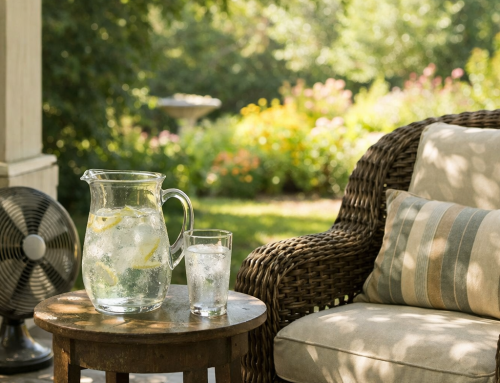
Keep a glass or bottle in the rooms you use most so it is never a trip to the kitchen. Drink a full glass with each meal and each time you take medication. Coffee and tea count toward the day’s total, despite what you have heard.
This matters more in a heat wave. California has run through repeated heat advisories this summer, and several common blood pressure, heart, and diuretic medications interfere with the body’s ability to cool itself. If a hot stretch is coming, plan for it rather than pushing through.
Building a safety plan alongside good habits? Call our Oakland office at (510) 338-3466 for an honest conversation, or book an in-home visit.
3. Review Every Medication Once a Year
Take everything you swallow, including vitamins and over the counter items, put it in a bag, and bring it to your doctor or pharmacist once a year. This is the single most underused wellness habit available to older adults.
The reason is that side effects stack. Several common medications cause dizziness or low blood pressure on standing, and two or three of them together do it more. A pharmacist can spot interactions that no single prescriber sees.
Ask specifically whether anything on the list increases fall risk or heat sensitivity. Both are reasonable questions and both often lead to a small adjustment that makes a real difference.
While you are at it, get rid of the expired bottles in the cabinet, and set up a weekly pill organizer if you are not already using one.
4. Protect Sleep, and Make the Night Trip Safe
Sleep changes with age, and poor sleep affects balance and thinking the next day. Keep a consistent bedtime, get daylight in the morning, and keep the bedroom cool and dark.
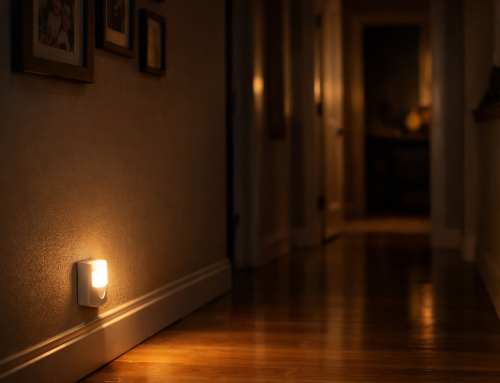
Then make the middle of the night trip safe, because that is where poor sleep turns into an injury. Add a motion night light in the hallway and the bathroom, keep the path to the bathroom completely clear, and put a lamp with a large switch within reach of the bed.
If you are up several times a night, mention it to a doctor. There are common and treatable causes, and simply accepting it as part of aging leaves a fall risk in place that did not need to be there.
5. Eat Enough Protein, and Eat With People When You Can
Muscle loss is one of the main reasons independence slips, and protein is what slows it. Spread it across the day rather than saving it all for dinner: eggs or yogurt in the morning, something with the midday meal, and something at night.
Cooking for one is the real obstacle, not knowledge. Meals on Wheels programs run across the Bay Area on a sliding scale, and many senior centers serve a hot lunch that comes with company attached. Both solve nutrition and isolation at the same time, which is a better deal than either alone.
Vitamin D and calcium matter for bone strength. Ask your doctor whether a supplement makes sense for you rather than guessing, since the right amount depends on your bloodwork and your medications.
6. See People on Purpose
Social connection is a health habit, not a luxury. Isolation is associated with higher rates of cognitive decline, depression, and heart disease, and it creeps up quietly after a spouse dies or driving stops.
Put something on the calendar that repeats. A weekly senior center class, a standing coffee with a neighbor, a library book group, a church or temple gathering. Recurring beats spontaneous, because spontaneous plans are the first thing to evaporate.
August is a good month for it in the Bay Area. Japantown’s Nihonmachi Street Fair, Oakland’s summer festivals, and the many county senior center programs are all running, and most are free or close to it.
7. Keep the Eyes, Ears, and Feet on the Calendar
Vision, hearing, and feet are the three checkups that most directly affect balance, and all three are easy to postpone.
Get eyes checked once a year. An outdated prescription and untreated cataracts both raise fall risk, and bifocals can distort where the next step actually is when you look down at stairs.
Hearing loss is linked to falls as well as to isolation, and modern hearing aids are far better and far more available than they were even five years ago. Feet deserve a podiatrist if there is pain, numbness, or a nail problem, since foot pain changes how a person walks and an altered gait is less stable.
Shoes count too. Supportive shoes with a firm heel, worn inside the house, beat slippers and bare feet by a wide margin.
8. Have a Plan for the Day Something Happens Anyway
Good habits lower the odds. They do not remove them, and the difference between a bad day and a life changing one is usually how long someone waits on the floor before help arrives.
A medical alert system closes that gap. Press the button or let fall detection trigger on its own, and a monitoring center answers, sends help, and calls your family. For most people at home, that is the Home Link at $29.00 per month, month to month with no contract, or the Cellular Home Link at $34.95 per month where there is no landline.
For someone doing everything on this list, walking daily and going to classes, coverage away from home makes more sense. The Mobile X at $44.95 per month works anywhere there is cell service and has fall detection built in.

💡 Pick two habits, not eight. Two that stick beat eight that last a week. Balance work and water are the two with the fastest payoff. More fall prevention basics
Local People, Not a Call Center
Vital Link has been family owned since 1981, and our office is on Telegraph Avenue in Oakland. We show up at senior fairs and community events around the Bay Area, and many of our clients come to us through the case managers and hospital discharge planners we have worked with for decades.
When someone orders a system, one of our technicians drives to the house, sets it up, tests it live with the monitoring center, and stays until the client is comfortable using it. National companies mail a box.
We serve Alameda, Contra Costa, Marin, Napa, San Francisco, San Mateo, Santa Clara, Santa Cruz, and Solano counties, with no long term contracts, no rate increases after signup, and a free lockbox with every system. Ask about special pricing for veterans and Meals on Wheels recipients.
- Call us at (510) 338-3466
- Visit our contact page to schedule an in-home visit
- Serving Alameda, Contra Costa, Marin, Napa, San Francisco, San Mateo, Santa Clara, Santa Cruz, and Solano counties
Keep Reading
| Fall Prevention Tips for Bay Area Seniors Habits and home changes that lower risk together. |
Read More |
| How Medical Alert Systems Help Seniors Stay Independent Longer Why a button expands what you can do, not what you cannot. |
Read More |
| Safer Home for Aging Parents A room by room list you can finish in an afternoon. |
Read More |
| Medical Alert Systems in the Bay Area How local service and installation works. |
Read More |
Sources
- CDC: Physical Activity Guidelines for Older Adults
- National Council on Aging: Falls Prevention
- National Institute on Aging: Healthy Eating and Nutrition for Older Adults
- National Institute on Aging: Loneliness and Social Isolation
- National Institute on Aging: Hot Weather Safety for Older Adults
Good Habits Plus a Safety Net
Talk to a real person in Oakland about which system fits your routine, with no contract and no pressure.
Frequently Asked Questions
Which senior wellness habits matter most for staying independent?
Balance and strength work a few times a week, drinking water before you feel thirsty, protecting sleep, and seeing people regularly. Those four protect the abilities that living alone depends on. An annual medication review is the most underused habit on the list.
How much exercise do older adults actually need?
The CDC recommends about 150 minutes of moderate activity a week, plus muscle strengthening twice a week. Three ten minute walks count the same as one thirty minute walk, which makes it far more achievable than it sounds.
Why does a medication review reduce fall risk?
Side effects stack. Several common medications cause dizziness or a drop in blood pressure when standing, and taking two or three together increases the effect. A pharmacist reviewing everything at once catches interactions that individual prescribers may not see.
What is the best way for a senior to stay social in the Bay Area?
Put something recurring on the calendar rather than relying on spontaneous plans. Senior center classes, a hot lunch program, a library group, or a weekly coffee with a neighbor all work. August has plenty of free local events as well.
Do I still need a medical alert system if I am healthy and active?
Many of our most active clients carry one precisely because they are out walking, gardening, and going to classes. The Mobile X at $44.95 per month works anywhere there is cell service and includes fall detection, so it covers the parts of the day spent away from home.