
Respite Care in the Bay Area: How Family Caregivers Get a Real Break
November is National Family Caregivers Month, and it is a good moment to say something caregivers rarely hear: you are allowed to rest. If you look after a parent or spouse, respite care Bay Area families can arrange gives you a few hours, a day, or even a week to recharge while someone else keeps your loved one company and safe.
Respite care is short-term care that gives the main caregiver a break. It can happen at home with a trained aide, at an adult day program, or during a short stay in a care community. Here in the Bay Area, the easiest front door is your county’s Area Agency on Aging and its Family Caregiver Support Program.
This guide walks through what respite looks like, who offers it from Oakland to San Jose, how to find help in your county, and how a medical alert can turn a few hours away into time that actually feels restful.

The short answer: respite care is temporary care for an older adult so the family caregiver can rest. In the Bay Area, start with your county’s Area Agency on Aging, which runs the Family Caregiver Support Program and can point you to in-home aides, adult day programs, and short stays near you.
If your parent spends time alone while you step away, it helps to know how local medical alert service works across the Bay Area before you plan your first break.
What Respite Care Actually Is
Respite care is any arrangement that lets someone else take over caregiving for a while so the regular caregiver can rest, run errands, or simply be a person again. The National Institute on Aging describes breaks lasting anywhere from a few hours to several weeks.
It is not a sign that you are failing. Family Caregiver Alliance, a San Francisco nonprofit, notes in its respite tips that breaks work best when they start early and happen regularly, not only after you are exhausted.
Think of respite as part of the care plan. A rested caregiver is more patient, catches changes sooner, and can keep going for the long haul.
The Three Main Kinds of Respite
Most respite care falls into three settings: in your loved one’s home, at an adult day program, or during a short stay in a care community. Many families mix all three over time.
In-home respite
A trained aide or companion comes to the house for a few hours or a full day. Your parent stays in familiar surroundings, keeps their routine, and you get to leave. This is often the gentlest first step, especially for someone who does not love change.
Adult day programs
Adult day centers offer supervision, meals, activities, and social time during daytime hours. The National Council on Aging lists them as one of the core forms of respite. Many parents come home tired in a good way, with stories to tell, while their caregiver got a real stretch of the day back.
Short stays
Some assisted living and care communities accept residents for a few days or a couple of weeks. Families use short stays for a trip, a surgery of their own, or a planned week of rest. It also lets a parent try a community without a long-term decision.
There is also informal respite: a sibling, neighbor, or friend who takes one afternoon a week. It costs nothing and it counts.
Who Offers Respite Care in the Bay Area
Respite care Bay Area families use comes from a mix of public programs, nonprofits, and private providers, and your county’s Area Agency on Aging is the best place to start sorting through them.
California’s Department of Aging funds the Family Caregiver Support Program through local Area Agencies on Aging. Services include help arranging respite, caregiver counseling, support groups, and training. Each county runs it a little differently, so the local agency is the one to call.
Family Caregiver Alliance also operates the Bay Area Caregiver Resource Center, which offers family consultations and referrals to programs like adult day care, home care, and respite. It serves caregivers of adults 60 and older in Alameda, Contra Costa, San Francisco, and San Mateo counties, and families caring for someone with a brain condition such as dementia, stroke, or Parkinson’s in several more counties.
Veterans have another door. The VA’s respite program can provide care at home, at an adult day health center, or in a VA community living center, depending on location.
Planning your first afternoon off? Call our Oakland office at (510) 338-3466 to talk it through, or book an in-home visit.
How to Find Respite Care in Your County
The fastest way to line up respite care Bay Area counties support is to contact your county’s Area Agency on Aging and ask specifically about the Family Caregiver Support Program. We keep a guide for each county with current contacts, checked against the county’s own site:
- Alameda County senior resources
- Contra Costa County senior resources
- San Francisco senior resources
- Santa Clara County senior resources
- All Bay Area county guides, including Marin, Napa, San Mateo, Santa Cruz, Solano, and Sonoma
Outside California, or if you are helping a parent from far away, the national Eldercare Locator connects you to the right local agency. The ARCH National Respite Locator lists respite providers by area, though it does not vet them, so ask for references.
Questions worth asking any provider
Ask how aides are trained and screened, whether the same person will come each time, what happens if your parent needs help while you are out, and how they reach you. For adult day programs, ask about transportation, meals, and what a typical day looks like. A short visit together before the first real break makes everyone more comfortable.
Paying for it
Costs vary widely by setting, hours, and county, so ask each provider for a written rate. Most regular health insurance does not pay for respite, according to the National Institute on Aging, but some long-term care insurance policies do. Medicare covers short inpatient respite only for people on hospice. The Family Caregiver Support Program and VA benefits may help with part of the cost for those who qualify.
How a Medical Alert Makes Time Away Truly Restful
A medical alert gives your parent a way to reach a real person at the push of a button while you are away, which is often the difference between a break that restores you and one spent checking your phone.
For many caregivers, the hardest part of stepping away is not the logistics. It is the quiet worry during the hours in between. Your mother may be perfectly fine on her own for an afternoon, and still, you wonder.
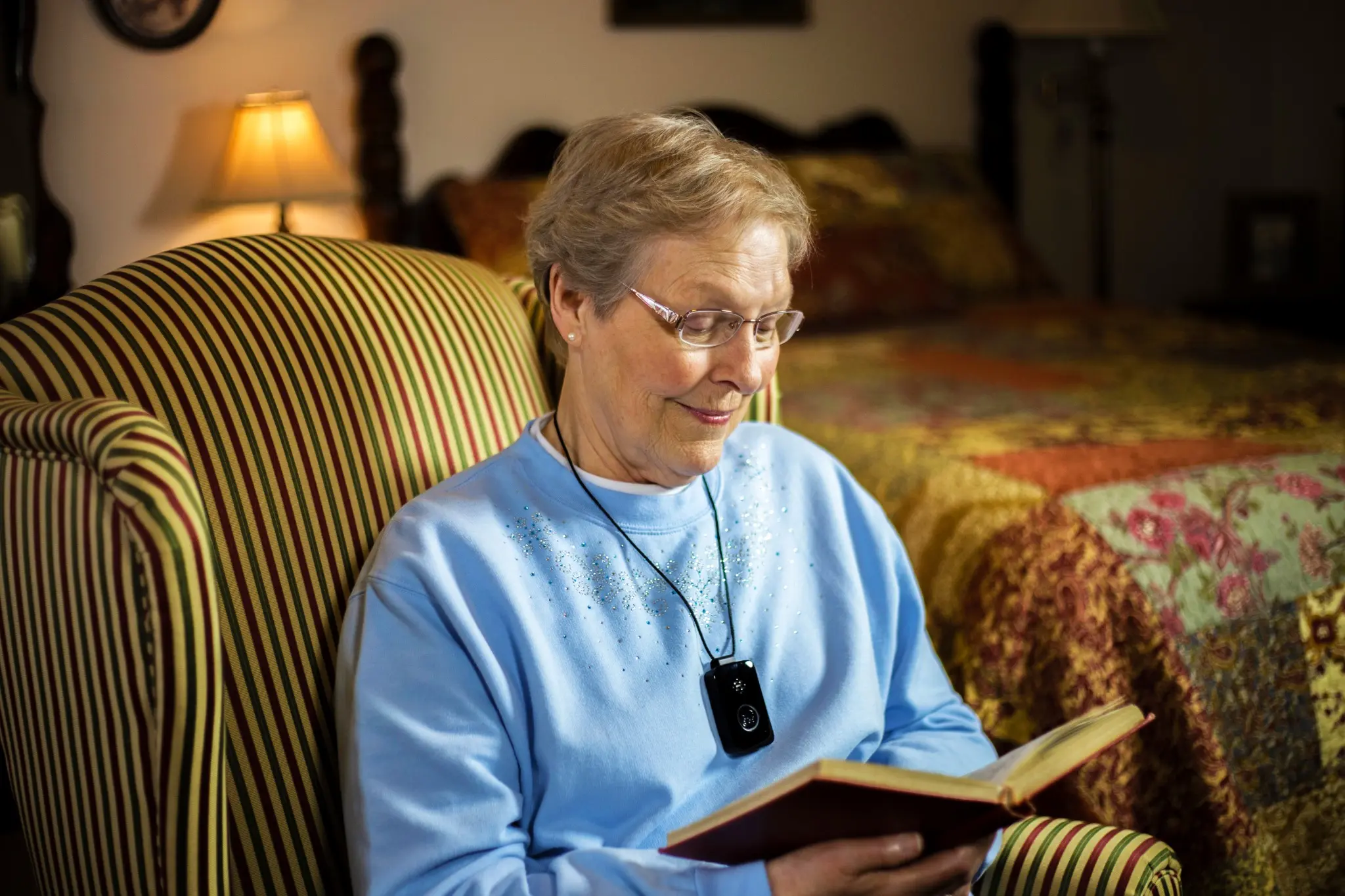
With a Mobile Link or an at-home system, your parent can press one button and speak with a trained operator any time of day. The operator can call you, a neighbor, or emergency services, whatever the situation calls for. Adding fall detection means the device can call for help even if your parent cannot press the button.
That matters on respite days in particular. If your father goes to an adult day program in Walnut Creek, or spends the afternoon with a companion aide in Palo Alto, a mobile unit like the Mobile Link goes with him, and an at-home system covers him in the house. A free lockbox by the door means responders can get in without breaking anything, which is one more thing you do not have to plan around.
Pricing stays simple. Home Link is $29 per month, month-to-month with no contract, and our rates do not go up. Veterans and Meals on Wheels recipients qualify for special pricing, so ask when you call.
A Local Team That Knows Bay Area Caregivers
Vital Link has been family-owned since 1981, and our office sits on Telegraph Avenue in Oakland. When you order a system, a local technician drives to your parent’s home, sets it up, tests it, and shows everyone how it works. No box on the doorstep with a manual and a hold line.
We also work alongside Bay Area case managers, hospitals, and senior programs, so we often meet families right when caregiving is getting heavier. Families exploring respite care Bay Area wide often call us about the safety piece, and we are glad to help you think it through, whether your parent lives in Alameda County, San Francisco, or down the Peninsula.
- Call us at (510) 338-3466
- Visit our contact page to schedule an in-home visit
- Serving Alameda, Contra Costa, Marin, Napa, San Francisco, San Mateo, Santa Clara, Santa Cruz, and Solano counties
Keep Reading
| Long-Distance Caregiving How to stay involved and informed when you live far from a parent. | Read More |
| How to Talk to a Parent About a Medical Alert System Gentle ways to start the conversation and keep it about independence. | Read More |
| Why a Lockbox Matters for a Medical Alert System How responders get in quickly without breaking down a door. | Read More |
| The Cost of Aging in Place What it really takes to help a parent stay at home in the Bay Area. | Read More |
Sources
- National Institute on Aging: What Is Respite Care?
- National Council on Aging: What Is Respite Care for Caregivers?
- Family Caregiver Alliance: Respite Tips: Taking a Break From Giving Care
- Family Caregiver Alliance: Bay Area Caregiver Resource Center
- California Department of Aging: Family Caregiver Services
- Administration for Community Living: Eldercare Locator
- ARCH National Respite Network: National Respite Locator
- U.S. Department of Veterans Affairs: Respite Care
Take Your Break With Peace of Mind
Talk with a real person in our Oakland office about the right system for your parent’s home and routine.
Respite Care Questions Families Ask
What is respite care?
Respite care is short-term care for an older adult so the family caregiver can rest. It can last a few hours or several weeks and can happen at home, at an adult day program, or during a short stay in a care community.
Where do I start looking for respite care in the Bay Area?
Start with your county’s Area Agency on Aging and ask about the Family Caregiver Support Program. Our county senior resource guides list current contacts for each Bay Area county.
Does Medicare pay for respite care?
Medicare covers short inpatient respite only for people enrolled in hospice. Most regular health insurance does not pay for respite, though some long-term care insurance policies and VA benefits can help.
Is an adult day program a form of respite care?
Yes. Adult day programs offer supervision, meals, and activities during the day, which gives the caregiver a regular block of time to rest, work, or handle errands.
How does a medical alert help during respite?
A medical alert lets your parent reach a trained operator with one button press while you are away, and fall detection can call for help automatically. That makes a few hours off feel genuinely restful.