Heat Safety for Seniors: Staying Comfortable and Independent Through a Bay Area Summer
Bay Area summers used to be a running joke. Fog in July, a sweater in August. That has been changing, and this summer California has moved through one heat advisory after another.
Heat safety for seniors matters more than most people realize, because older bodies handle heat differently and many of the homes here were built without air conditioning at all. A house in Oakland or Walnut Creek can get uncomfortably warm and stay that way overnight.
The plan is simple and it is mostly about preparation. Handle it in the cool part of the day, and a hot week becomes an inconvenience rather than a problem.

Here is the direct answer if you only want one paragraph. Heat safety for seniors comes down to four things: drink water before you feel thirsty, move activity to the morning, find one reliably cool room or public place, and check whether any of your medications make heat harder to handle. Most heat trouble in older adults builds slowly over a day or two, which means it is also easy to interrupt.
If a hot stretch or a power shutoff is the thing that worries you about a parent living alone, that is a common reason families call our Oakland office.
Why Heat Affects Older Adults Differently
The body cools itself by sweating and by moving blood toward the skin, and both of those systems become less efficient with age. That means an older adult can be overheating well before they feel hot.
Thirst weakens too, so the natural signal to drink arrives late or not at all. Chronic conditions including heart disease, diabetes, and kidney problems all make heat harder to manage.
Medications are the part most people miss. Diuretics increase fluid loss. Beta blockers change how the heart responds. Some antidepressants, antihistamines, and Parkinson’s medications reduce sweating. None of that means stopping anything, it means asking a pharmacist one question: does anything I take make heat harder on me?
The practical takeaway is that a senior should not use how they feel as the measure. Use the thermometer and the clock instead.
Set the House Up Before the Hot Week Arrives
The most valuable step is deciding in advance which room stays coolest, usually the one on the north side or the lowest floor, and making it comfortable to spend the afternoon there.
Close blinds and curtains on the sunny side in the morning, before the room heats up. Once heat is in a room, shading the window helps far less. Open windows in the evening when Bay Area air usually cools, then close them again in the morning.
Fans help, but only up to a point. Once indoor air passes roughly 95 degrees, a fan mostly moves hot air around. If the house has no air conditioning, a single window unit in the bedroom is often enough, because sleeping cool is what lets the body recover overnight.
Check that the cooling actually works before you need it. A window unit that sat unused since last September should be tested in June, not on the first 100 degree day.
Worried about a hot week or an outage? Call our Oakland office at (510) 338-3466 and we will explain how our systems handle a power cut, or book an in-home visit.
Change the Shape of the Day
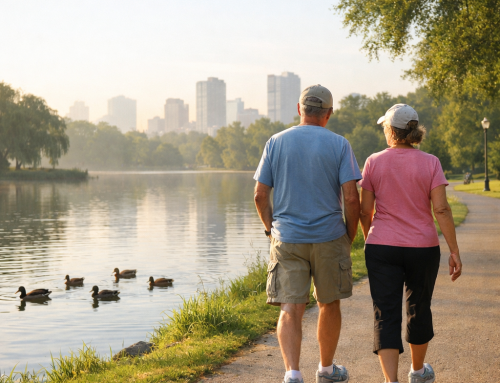
Move everything that takes effort to the morning. Gardening, errands, the walk, the laundry. Between roughly 11 a.m. and 5 p.m. the goal is low effort and a cool room.
Drink water on a schedule rather than by thirst. A glass with every meal, a glass with every medication, and a bottle within reach in whatever room you are sitting in. If a doctor has limited your fluids for a heart or kidney condition, ask what to do during hot weather specifically, because the answer may be different.
Wear loose, light colored, lightweight clothing. A cool shower or a damp cloth on the neck and wrists brings body temperature down quickly and is more effective than most people expect.
Cooling centers open across Bay Area counties during hot stretches, and libraries, senior centers, and shopping centers are all air conditioned and free. Knowing where to go, and how to get there without driving in the heat, is worth sorting out in advance.
What to Watch For, and What to Do
The early signs of heat exhaustion are heavy sweating, weakness, dizziness, nausea, headache, and cool clammy skin. The response is to get into a cool place, sip water, loosen clothing, and apply cool damp cloths.
The serious version, heat stroke, looks different. Skin turns hot and often dry, body temperature climbs, and the person becomes confused, agitated, or unresponsive. That is a 911 call, immediately, while moving them somewhere cooler.
Confusion is the sign families most often misread, because it does not look like a heat problem. If an older adult seems suddenly muddled during a hot stretch, treat heat as the likely cause until proven otherwise.
During a heat wave, a daily phone call is a genuinely effective safety measure. Somebody hearing your parent’s voice each afternoon catches the slow build long before it becomes an emergency.
The Bay Area Complication: Power Shutoffs
Hot, dry, windy conditions are also when utilities run Public Safety Power Shutoffs to reduce wildfire risk. That combination, extreme heat plus no electricity, is specific to living in California and it deserves its own plan.
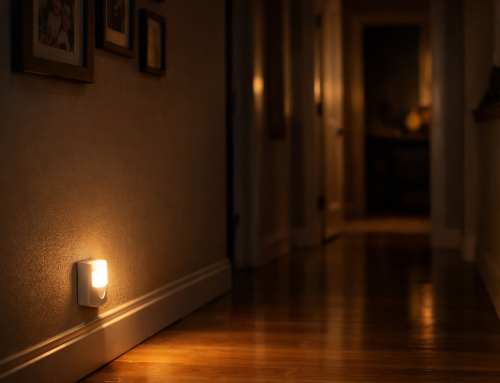
Sign up for outage alerts with your utility so notice arrives before the power does. Keep flashlights and batteries where they can be found in the dark, and charge phones and any medical equipment when a shutoff is announced.
Remember that cordless phones stop working without electricity. If a landline is the only phone in the house, keep one corded phone plugged in, because it will usually work when the power is out.
This is also where a medical alert system needs to be chosen carefully. Our cellular systems include battery backup and run on the cellular network rather than the home’s electricity or internet, so the button still reaches the monitoring center during an outage. Our full guide to senior safety during Bay Area power outages covers the rest of the checklist.
Which System Handles Heat and Outages Best
For a home with no landline, or a home where outages are a regular event, the Cellular Home Link at $34.95 per month, month to month with no contract is the practical choice. It runs on cellular signal with battery backup, so a power cut does not take the safety net with it.
If the house has a working landline and outages are rare, the Home Link at $29.00 per month covers the home well. Fall detection is a $10.00 per month add-on on both at-home systems.
For someone still going out during summer, to the garden, the farmers market, or a morning walk, the Mobile X at $44.95 per month works anywhere there is cell service and has fall detection built in. Dizziness from heat is exactly the situation where a button being with you rather than on the kitchen counter makes the difference.

💡 Ask the pharmacist one question this week. Does anything on my list make heat harder on me? It takes two minutes and often changes how you plan a hot day. More on dizziness and fall risk
A Local Company Knows the Local Problems
Vital Link has been family owned since 1981, with an office on Telegraph Avenue in Oakland. We have been through every heat wave, storm, and power shutoff this region has thrown at us, and our advice comes from installing systems in these houses rather than from a national script.
A technician comes to the home, finds the right placement, tests the system live with the monitoring center, and explains what happens during an outage. That last conversation is one a shipped box cannot have.
We serve Alameda, Contra Costa, Marin, Napa, San Francisco, San Mateo, Santa Clara, Santa Cruz, and Solano counties. No long term contracts, no rate increases after signup, a free lockbox with every system, and special pricing for veterans and Meals on Wheels recipients.
- Call us at (510) 338-3466
- Visit our contact page to schedule an in-home visit
- Serving Alameda, Contra Costa, Marin, Napa, San Francisco, San Mateo, Santa Clara, Santa Cruz, and Solano counties
Keep Reading
| Keeping Seniors Safe During Bay Area Power Outages A full plan for planned shutoffs and storms. |
Read More |
| Fall Prevention Tips for Bay Area Seniors Dizziness, medication, and the home changes that help. |
Read More |
| Smart Devices vs Medical Alert Systems Why a smartwatch is not the same safety net. |
Read More |
| Medical Alert Systems in Solano County Local service where summers run hottest. |
Read More |
Sources
- National Institute on Aging: Hot Weather Safety for Older Adults
- CDC: Heat and Health
- Ready.gov: Extreme Heat Preparedness
- California Department of Aging: Local Programs and Cooling Resources
- PG&E: Outages and Public Safety Power Shutoffs
A Safety Net That Works When the Power Does Not
Cellular Home Link runs on cellular signal with battery backup, $34.95 per month with no contract.
Frequently Asked Questions
Why is heat safety for seniors different from heat safety for anyone else?
Older bodies sweat less efficiently and move heat to the skin more slowly, so an older adult can be overheating before feeling hot. Thirst also weakens with age, so the signal to drink water arrives late. That is why the advice is to drink and cool on a schedule rather than by feel.
Which medications make heat harder to handle?
Diuretics increase fluid loss, beta blockers change how the heart responds, and some antidepressants, antihistamines, and Parkinson’s medications reduce sweating. Do not change anything on your own. Ask a pharmacist whether your list raises heat risk and plan accordingly.
What are the signs of heat stroke in an older adult?
Hot skin that is often dry rather than sweaty, a rising body temperature, and confusion, agitation, or unresponsiveness. That is a 911 call right away while moving the person somewhere cooler. Confusion during a hot stretch should be treated as heat related until proven otherwise.
Does a medical alert system work during a power outage?
Our cellular systems include battery backup and communicate over the cellular network rather than home electricity or internet, so the button still reaches the monitoring center. Cordless landline phones, by contrast, stop working as soon as the power goes out.
Where can Bay Area seniors go to cool off?
Counties open cooling centers during hot stretches, and libraries, senior centers, and shopping centers are air conditioned and free. Sort out in advance which one is closest and how to get there without driving in peak heat.