Rainy Weather Safety for Aging Parents in the Bay Area

Rainy weather safety for aging parents is an important focus in the Bay Area during the winter months. Even though the region does not experience snow or ice, wet sidewalks, slippery driveways, darker evenings, and storm related hazards can significantly increase fall risks for older adults. Families can improve safety with a few practical steps that address visibility, mobility, and home preparation.
Vital Link has supported Bay Area seniors since 1981 with in person setup, local service, and medical alert systems designed to help older adults stay independent at home. This guide outlines essential ways families can strengthen rainy weather safety for aging parents during the winter season.
Why Rainy Weather Safety for Aging Parents Matters
Bay Area weather changes quickly. A clear morning can turn into a heavy rainstorm by the afternoon. Wet surfaces become slick, indoor floors get damp, and visibility drops during early sunsets. These conditions make daily routines harder for older adults and increase the chance of slips and falls. Understanding rainy weather safety for aging parents helps families plan better support through the winter months.
Rainy Weather Safety for Aging Parents: Essential Tips
The following recommendations are tailored for older adults living in Bay Area communities throughout Alameda, Contra Costa, Marin, Napa, San Francisco, San Mateo, Santa Clara, Santa Cruz, Solano, and Sonoma counties.
1. Improve Safety on Outdoor Walkways
Rain quickly creates hazards on patios, driveways, porches, and walkways. Moss, algae, and wet leaves become slippery. Uneven pavement and raised edges are harder to see when the ground is wet. Sweep debris regularly and consider applying non slip treatments in high risk areas. Check outdoor lighting so seniors can see clearly when entering or exiting the home during rainy weather.
2. Reduce Indoor Slip Risks
Indoor safety is a key part of rainy weather safety for aging parents. Water tracked into entryways, kitchens, and garages can make floors slick. Add rubber backed mats near doors and place a chair nearby so your parent can remove wet shoes without losing balance. Keep towels accessible for quick cleanup after storms.
3. Support Better Footwear Choices
Footwear makes a significant difference for rainy weather safety. Encourage seniors to wear shoes with non slip soles, secure closures, and good traction. Avoid slippers with smooth bottoms or loose socks on tile or hardwood floors. Lightweight shoes suitable for wet conditions can help prevent falls both indoors and outdoors.
4. Increase Lighting for Dark and Cloudy Days
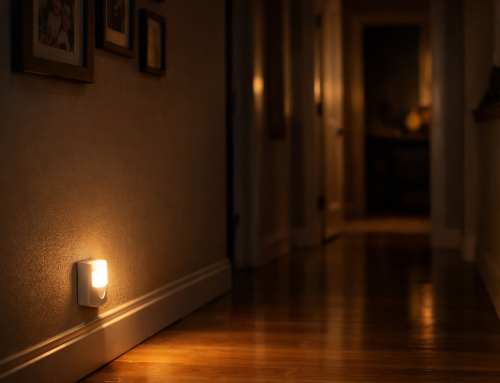
Winter rain clouds reduce natural light, and the sun sets earlier. Replace dim bulbs with brighter LEDs and add night lights in hallways and bathrooms. Motion sensor lighting is especially helpful for seniors who may wake up during the night or move through the home when visibility is low.
5. Prepare for Possible Power Outages
Winter storms can cause sudden outages. Keep flashlights and fresh batteries in every major room. Charge phones daily and consider a small backup power source if your parent relies on electronic medical tools. Ready.gov provides additional guidance on outage preparation for seniors at Ready.gov power outage safety.
6. Review Rainy Day Transportation Plans
Driving in the rain can be challenging for older adults because of glare, slippery roads, and reduced visibility. Public transportation may be delayed or more crowded. Talk through upcoming appointments and help arrange safe transportation when heavy rain is expected. Consider offering rides, scheduling paratransit, or planning errands during clearer parts of the day.
7. Check Mobility Aids and Assistive Devices
Mobility tools are a core part of rainy weather safety for aging parents. Inspect walker and cane tips to ensure the rubber grips are not worn down. Replace them if they have lost traction. For wheelchairs, check brakes and confirm that ramps or outdoor thresholds have non slip surfaces.
8. Encourage Safe Indoor Activity
Exercise is important during rainy months since seniors often limit their outdoor walks. Indoor activities like stretching, standing exercises, and short walks inside the home can help maintain balance and strength. Focus on routine movement to prevent stiffness and support confidence while navigating the home.
9. Organize Medications and Emergency Contacts
Rainy weather can interrupt routines, delay appointments, or make it harder to reach pharmacies. Ensure medications are organized, up to date, and stored safely away from damp areas. Emergency contact lists should be easy to find and updated in your parent’s medical alert profile.
10. Test Medical Alert Systems Regularly
Fall risks increase during rainy weather. Medical alert systems can provide immediate access to help if your parent slips, becomes injured, or faces an emergency during a storm. Test the device monthly, confirm battery strength, and review how to use the help button. All Vital Link systems can be worn in the shower and in the rain, so your parent can keep their help button on even in wet conditions without worrying about damage. Compare system options at the Vital Link product comparison page.
Bay Area Specific Rainy Weather Considerations
The region has unique conditions that affect rainy weather safety for aging parents. Steep driveways in the Oakland and Berkeley hills become slick. Coastal fog and wind affect visibility in Pacifica and Half Moon Bay. Tree covered neighborhoods in Marin and Sonoma build up wet leaves quickly. Preparing for local terrain and microclimates helps families protect their aging parents more effectively.
Frequently Asked Questions About Rainy Weather Safety for Aging Parents
How can I quickly evaluate rainy weather safety for my parent?
Check for slippery surfaces, dim lighting, worn footwear, cluttered walkways, and updated emergency contacts. Confirm your parent has a safe, dry entryway and a reliable medical alert device.
Should seniors avoid going out during heavy rain?
If mobility is limited or conditions are unsafe, rescheduling outings may be best. Support your parent by arranging rides or helping with errands.
Are medical alert pendants water resistant?
Yes. All Vital Link systems can be worn in the shower and in the rain. This helps ensure your parent has access to help even while bathing or going outside on wet winter days.
How often should families check in during winter storms?
Increase check ins during severe weather. A daily call or message can help identify safety issues early.
How To Complete a Rainy Weather Safety Check
- Walk outdoor paths to identify slippery areas or hazards.
- Secure or replace indoor rugs where water is likely to be tracked in.
- Check lighting and replace dim bulbs in key areas.
- Inspect footwear for traction and support.
- Review transportation options before stormy days.
- Test medical alert devices and update profiles.
- Plan regular check ins during the rainy season.
Next Steps
Improving rainy weather safety for aging parents helps them stay independent and confident during the winter months. If you want help choosing a medical alert system or arranging in person setup, Vital Link is ready to support your family across the Bay Area.
Call (510) 338 3466 or visit Vital Link to learn more.