Holiday Safety for Aging Parents: What Families Should Check During Travel and Visits

Holiday safety for aging parents is one of the most important things families can focus on in December. Many adult children travel to the Bay Area to visit aging parents for a short window of time. That visit often becomes the moment when families notice changes that are easy to miss over the phone, such as mobility issues, clutter, medication confusion, or new fall risks at home. A holiday visit can be warm and meaningful, and it can also be the perfect time to complete a simple safety checklist that supports independence.
This guide covers holiday safety for aging parents with practical steps you can take during travel and family visits. These tips are designed for Bay Area homes and apartments where rainy weather, early sunsets, and busy holiday routines can create extra hazards for seniors.
Why Holiday Safety for Aging Parents Matters During December Visits
Holiday gatherings bring more activity into the home. There are extra people walking through hallways, bags and gifts placed on the floor, and decorations that can create trip hazards. For seniors, these changes can increase fall risk. At the same time, winter in the Bay Area often brings rain and darker evenings, which can make transportation and walking outside more difficult. Focusing on holiday safety for aging parents helps reduce risk while keeping the visit positive and supportive.
Holiday Safety for Aging Parents: A Quick Checklist Before You Leave
If you only have a few hours with your parent, use this quick checklist. Even small changes can improve holiday safety for aging parents and make daily life easier after you return home.
1. Check Entryways and Walkways
Start at the front door. Look for loose rugs, worn mats, or clutter that could create a trip hazard. If rain is expected, confirm there is a non slip mat inside the entryway and a place to safely remove wet shoes. In the Bay Area, damp sidewalks and driveways can be slippery even without snow. Holiday safety for aging parents starts with the first steps into the home.
2. Improve Lighting for Short Winter Days
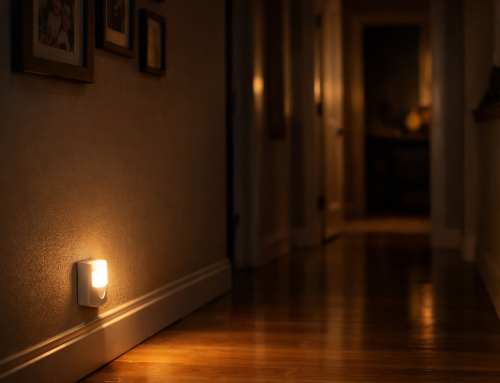
Lighting is one of the fastest ways to reduce falls. Replace dim bulbs, add night lights in hallways and bathrooms, and consider motion sensor lights for areas where your parent walks at night. Shorter days mean more movement in low light. Better lighting supports holiday safety for aging parents throughout the winter season.
3. Reduce Trip Hazards Around Decorations
Holiday decorations are common fall hazards. Cords from lights, extension cables, tree skirts, and loose rugs can catch a foot or a cane. Make sure cords are secured against the wall and that pathways remain wide and clear. Decorations should never block stair rails or create narrow paths through the home.
4. Review Bathroom Safety
Bathrooms are a high risk area for falls. Check that the floor is dry, the bath mat does not slide, and frequently used items are within reach. If your parent has difficulty stepping into the shower, consider a shower chair or grab bars. Holiday safety for aging parents includes planning for safe bathing routines during busy weeks.
5. Confirm Medication Organization
During holiday travel and visits, it is common to discover that medications are not organized as well as you expected. Check that prescriptions are current, stored correctly, and easy to identify. A weekly pill organizer can reduce confusion. Ask your parent what they take each day and verify it matches their doctor’s instructions. If you want general medication safety guidance, the CDC medication safety resources can help you understand common risks.
6. Look for Signs of Mobility Changes
Holiday visits provide a clear view of how your parent moves in real life. Notice how they get up from a chair, walk to the kitchen, or climb steps. If they use furniture for balance, move slowly, or avoid certain rooms, those can be signs of increased fall risk. Holiday safety for aging parents improves when families notice changes early and add support before an injury occurs.
7. Check Food Safety and Kitchen Access
Holiday cooking can create hazards for seniors. Confirm that commonly used items are easy to reach without climbing or stretching. Make sure the stove area is clear and that there is a safe path between the sink, counter, and refrigerator. For general home fire safety guidance, the National Fire Protection Association home safety tips provide practical recommendations for preventing kitchen related fires.
8. Create a Simple Emergency Plan
Holiday safety for aging parents includes knowing what happens if something goes wrong. Ask your parent who they would call first in an emergency. Make sure key phone numbers are written down and saved in their phone. If your parent has neighbors they trust, confirm those names and numbers are accessible. The goal is not to create fear, but to make sure there is a clear plan if help is needed.
9. Test Medical Alert Readiness
If your parent already has a medical alert system, test it during your visit. Confirm they wear their help button consistently and understand how it works. If they do not have a system, a holiday visit is often the right time to set one up because family members are present to learn the process together. Holiday safety for aging parents improves significantly when a senior can reach help quickly after a fall or sudden illness.
All Vital Link systems can be worn in the shower and in the rain. That matters because many falls happen in the bathroom or during wet weather, and continuous wear improves protection.
If you want to review options, start with the Vital Link Compare All Products page. Families often choose a home based option for daily coverage and add a mobile option for seniors who are active outside the home.
10. Discuss Driving and Transportation During Winter Weather
December weather in the Bay Area often includes rain, fog, and darker evenings. Ask your parent how they feel about driving after sunset or during storms. If driving feels unsafe, consider alternatives such as family rides, ride services, or local transportation support programs. Holiday safety for aging parents includes making sure they can get to medical appointments and errands safely during winter.
11. Plan for Social Connection After You Leave
For many seniors, the hardest part of the holidays is the quiet time after family leaves. Loneliness can affect mental and physical health. Before you go, schedule the next call, set a plan for check ins, and identify local social activities your parent enjoys. A consistent routine supports holiday safety for aging parents by improving well being and reducing isolation.
12. Consider In Person Setup During Your Visit
One unique advantage for Bay Area families is the ability to schedule local, in person support. If you want to get a medical alert system set up while you are in town, doing it during your holiday visit can be ideal. Your parent can receive training, ask questions, and feel confident using the system right away. Family members can also learn how it works, which improves holiday safety for aging parents and long term peace of mind.
Holiday Safety for Aging Parents in the Bay Area
Bay Area homes range from single family houses with steps and sloped driveways to condos with narrow hallways and shared entryways. Rainy winter weather can make sidewalks slick, and early sunsets reduce visibility. These local factors are why holiday safety for aging parents should include lighting, walkway checks, and an emergency plan that fits your parent’s neighborhood and daily routines.
Frequently Asked Questions About Holiday Safety for Aging Parents
What is the most important holiday safety check for aging parents?
If you can only do one thing, reduce fall risks by clearing walkways, improving lighting, and addressing bathroom safety. Falls can quickly change a senior’s ability to live independently.
How do I talk to my parent about safety without upsetting them?
Frame the conversation around independence and comfort. Focus on simple improvements that make life easier. Avoid making it about fear. Holiday safety for aging parents is best discussed as a team effort.
Can a medical alert button be worn while showering or in the rain?
Yes. All Vital Link systems can be worn in the shower and in the rain. This helps ensure older adults can access help during the times when falls are most likely to happen.
What if I live out of town and cannot check in often?
Create a plan that includes regular calls, trusted neighbors, and clear emergency contacts. A medical alert system can provide additional support when family members are not nearby.
How To Complete a Holiday Safety Check During a Family Visit
- Walk through entryways, hallways, and bathrooms to identify hazards.
- Improve lighting where visibility is low.
- Secure rugs, cords, and decorations that could cause trips.
- Review medications and confirm emergency contacts.
- Discuss winter transportation and driving safety.
- Test any medical alert system and confirm the help button is worn daily.
- Create a check in plan for after you leave.
Next Steps
Holiday safety for aging parents does not require a major renovation. A simple checklist, clear communication, and the right safety tools can help older adults stay independent and protected throughout the season. If you want support choosing a medical alert system or scheduling in person setup in the Bay Area, Vital Link is here to help.
Call (510) 338 3466 or visit Vital Link to learn more about medical alert systems and local support.