Medical Alert Systems for Seniors: Why Getting Help Quickly After a Fall Matters
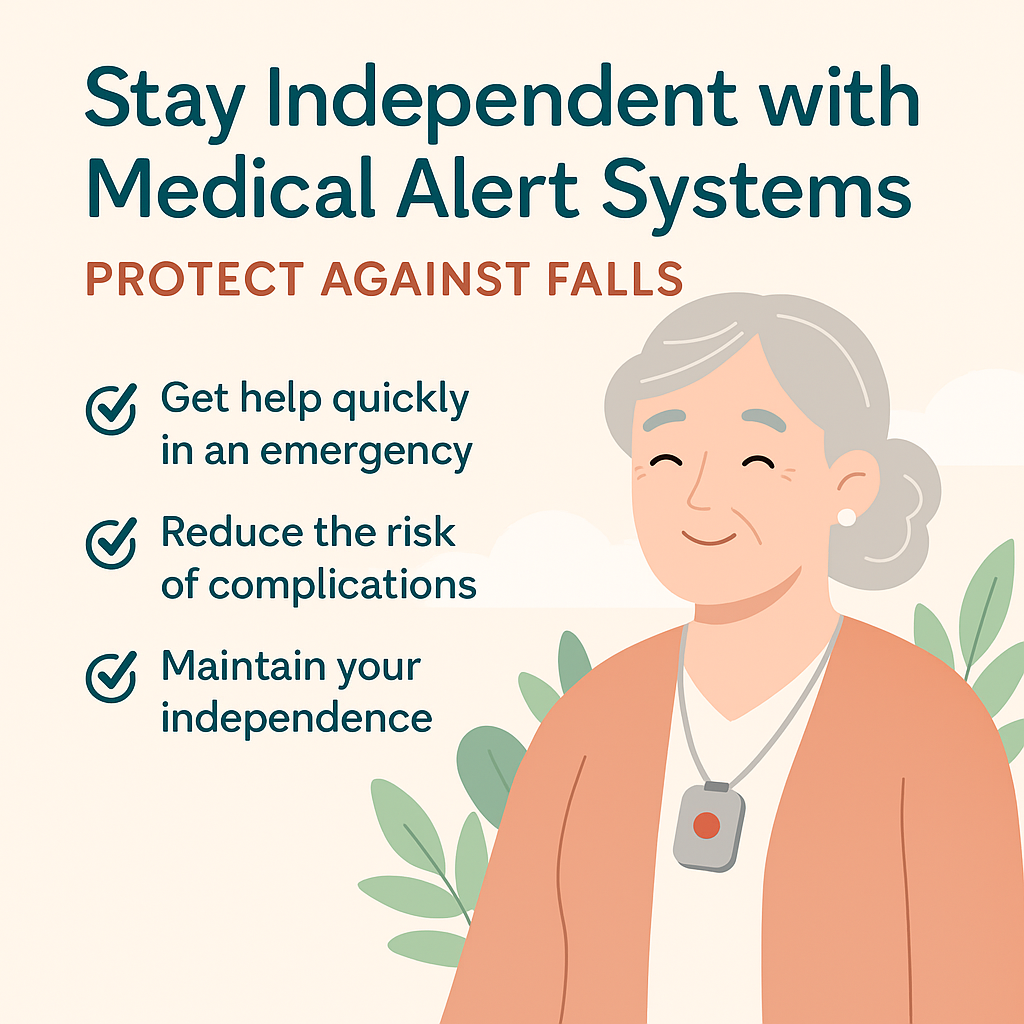
Fall prevention is essential. When a fall happens, the next best step is fast help. Medical alert systems for seniors shorten the time to assistance, which improves outcomes for older adults and their families.
The impact of delays after a fall
- One in four adults age 65 and older reports a fall each year. Falls lead to millions of emergency visits in the United States. CDC source
- Long time on the floor is harmful. A long lie after a fall, commonly more than one hour, is associated with dehydration, hypothermia, pressure injuries, rhabdomyolysis, pneumonia, and increased mortality. Peer-reviewed review
- Faster discovery is linked with better survival and independence. Research that followed older adults found at home showed worse outcomes with long delays to discovery, and many survivors with long delays could not return to independent living. New England Journal of Medicine
How medical alert systems for seniors help
- Rapid connection twenty-four-seven. One button press connects the user to trained monitoring staff through clear two way voice.
- Fall detection options. A fall detection button can start a help call when a person cannot press the button.
- Safe access for paramedics. Lockboxes are available with all systems so EMS can enter using a key rather than damaging a door or window.
- Customized response plan. During setup a full profile and responder list are created so staff follow the client plan in an emergency.
- Family and caregiver notifications. Friends, neighbors, family, or caregivers can be contacted in addition to 911 when appropriate.
- Local, in-person service. Installation, training, and follow-up help clients use the system correctly from day one.
Why families and referral partners choose medical alert systems for seniors
Medical alert systems for seniors add a proven safety net to any fall prevention plan. Families value the confidence that comes from a direct voice link and optional fall detection. Referral partners appreciate a simple way to support safe discharge and reduce avoidable readmissions. When a client wears a pendant or wrist button and has a lockbox on site, responders can reach the person faster and with less damage to the home. The result is more time living independently and fewer complications that can lead to long hospital stays or long-term care.
For families
- Remove tripping hazards and secure throw rugs
- Add brighter lighting and night lights
- Have the pendant or wrist button on at all times and test weekly
For professionals
- Include medical alert systems for seniors in discharge and care plans
- Request a lockbox for safer EMS entry
- Confirm the responder list includes caregivers and family
Compare medical alert systems for seniors
Sources
- Centers for Disease Control and Prevention. About Older Adult Falls
- Long lie after a fall in older people: causes and consequences. Journal of Patient Safety and Risk Management
- Persons Found in Their Homes Helpless or Dead. The New England Journal of Medicine
FAQ
Why are medical alert systems for seniors important?
They shorten the time to help after a fall. Long time on the floor is associated with dehydration, hypothermia, pressure injuries, rhabdomyolysis, pneumonia, and higher mortality.
Which features help seniors get help quickly?
Two-way voice to trained responders, optional fall detection, a lockbox for EMS entry, and a customized responder list with caregivers and family.