
How to Avoid Senior Scams: Practical Ways to Protect Aging Parents
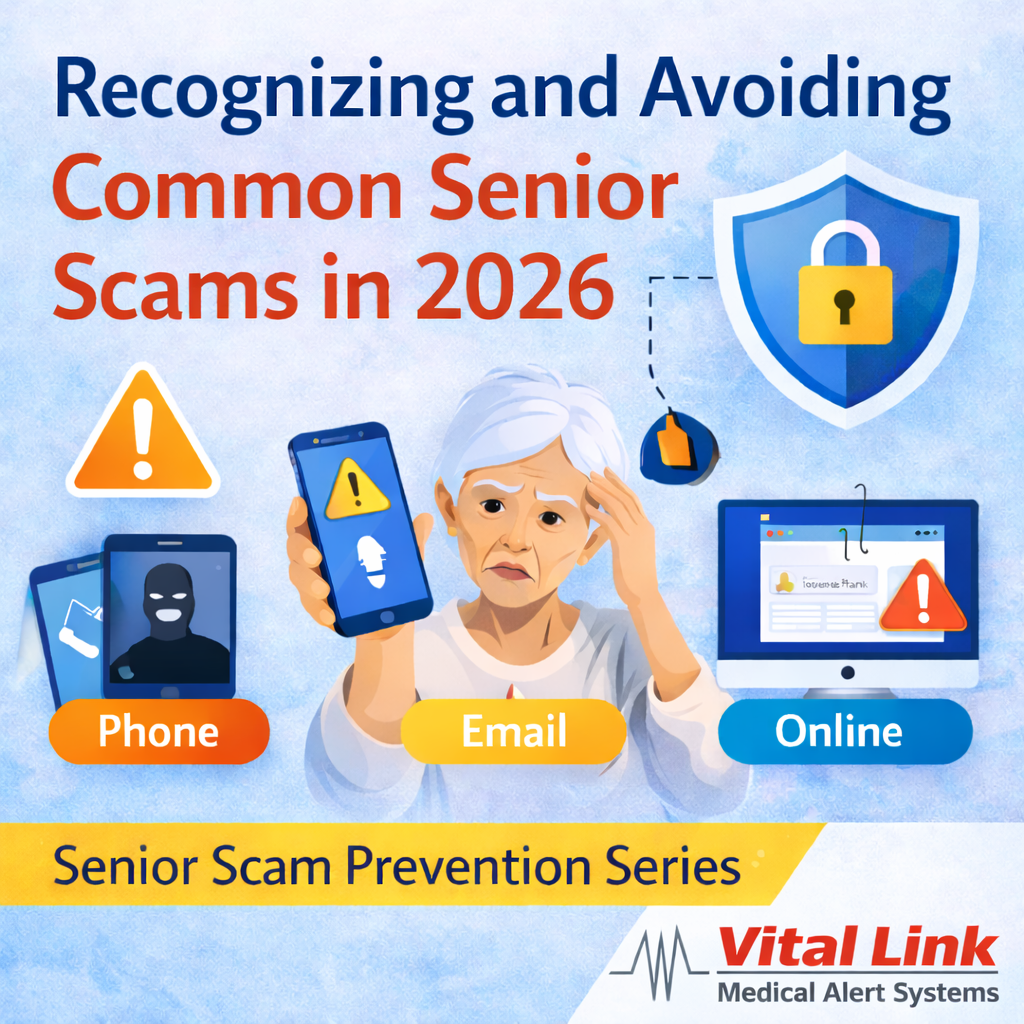
How to avoid senior scams is becoming an increasingly important topic for families as scammers continue to target older adults through phone calls, emails, text messages, and online platforms. This post is the first in a January safety series focused on helping families recognize, prevent, and respond to scams that affect aging parents.
Over the coming weeks, we will break down specific scam types in more detail, including phone scams, impersonation scams, Medicare scams, and financial fraud. This first article provides a broad foundation so families can understand common tactics and start important conversations right away.
Why Seniors Are Targeted by Scammers
Understanding why scams work is a key step in learning how to avoid senior scams. Many scams rely on emotional manipulation rather than technology. Scammers often exploit trust, politeness, fear, or urgency to pressure older adults into acting quickly.
Factors such as living alone, managing finances independently, limited digital familiarity, or cognitive changes can increase vulnerability. Scammers are skilled at impersonating legitimate organizations, service providers, and even family members.
How to Avoid Senior Scams: Common Types to Know About
Phone Scams and Robocalls
Scam calls may claim to be from government agencies, banks, utility companies, or healthcare providers. They often involve threats, urgent deadlines, or requests for personal information. Teaching aging parents to hang up and independently verify information is one of the most effective ways to avoid senior scams.
Family Impersonation Scams
In these scams, someone pretends to be a grandchild or relative in trouble. The caller may ask for money urgently and request secrecy. Families should establish a simple verification rule before any money is sent.
Email, Text, and Phishing Scams
These messages often appear legitimate and may include fake invoices, account alerts, or delivery notices. Older adults should avoid clicking links or downloading attachments unless they are absolutely certain of the sender.
Medicare and Health Insurance Scams
Scammers may claim to offer new benefits, refunds, or updated cards. Medicare does not call unsolicited to request personal information. A future post in this series will focus specifically on Medicare related scams.
Financial and Investment Scams
Promises of guaranteed returns or limited time investment opportunities are major red flags. Seniors should be encouraged to consult a trusted family member or advisor before making financial decisions.
How to Avoid Senior Scams: Core Prevention Principles
Slow Down and Remove Urgency
Scammers rely on panic and urgency. Encouraging aging parents to pause, verify, and consult someone they trust is one of the strongest defenses.
Limit Personal Information Sharing
Personal details such as Social Security numbers, account numbers, and passwords should never be shared unless the senior initiated the contact.
Use Call Blocking and Account Alerts
Phone carrier tools, call blocking features, and bank alerts can significantly reduce scam exposure. Families should help aging parents set these up.
Create a Family Verification Plan
Agree on clear rules, such as never sending money or information without checking with a designated family member.
Trusted Resources for Senior Scam Prevention
In addition to family conversations, these verified government and advocacy resources provide current information on how to avoid senior scams and report fraud.
Federal Trade Commission Scam Prevention Resources
– National authority tracking scam trends and fraud reporting.
AARP Fraud Watch Network
– Education and alerts specifically designed for older adults.
California Department of Justice Consumer Protection Resources
– State level scam alerts, fraud reporting, and elder abuse guidance.
San Francisco District Attorney Consumer Complaint Form
– Bay Area resource for reporting fraud and consumer abuse.
USA.gov Scam and Fraud Information
– Federal overview of scam types and response steps.
Supporting Confidence and Independence
Seniors who feel informed and supported are less vulnerable to fear based scams. Ongoing conversations and practical safeguards help reinforce confidence.
Medical alert systems can support peace of mind by providing reliable access to help. All Vital Link systems can be worn in the shower and in the rain, allowing continuous protection during daily activities.
Families can explore options on the Compare All Products page to find a system that fits their parent’s lifestyle.
What’s Coming Next in This Series
- Phone and robocall scams targeting seniors
- Medicare and health insurance fraud
- Family impersonation and emergency scams
- Financial and investment scams affecting older adults
Next Steps
Learning how to avoid senior scams starts with awareness and conversation. This article lays the groundwork for stronger protection throughout January and beyond. If you want help supporting aging parents with safety tools or local in person setup in the Bay Area, Vital Link is ready to help.
Call (510) 338 3466 or visit Vital Link.


