Hospital Discharge Fall Prevention: What Families Should Plan Before a Senior Comes Home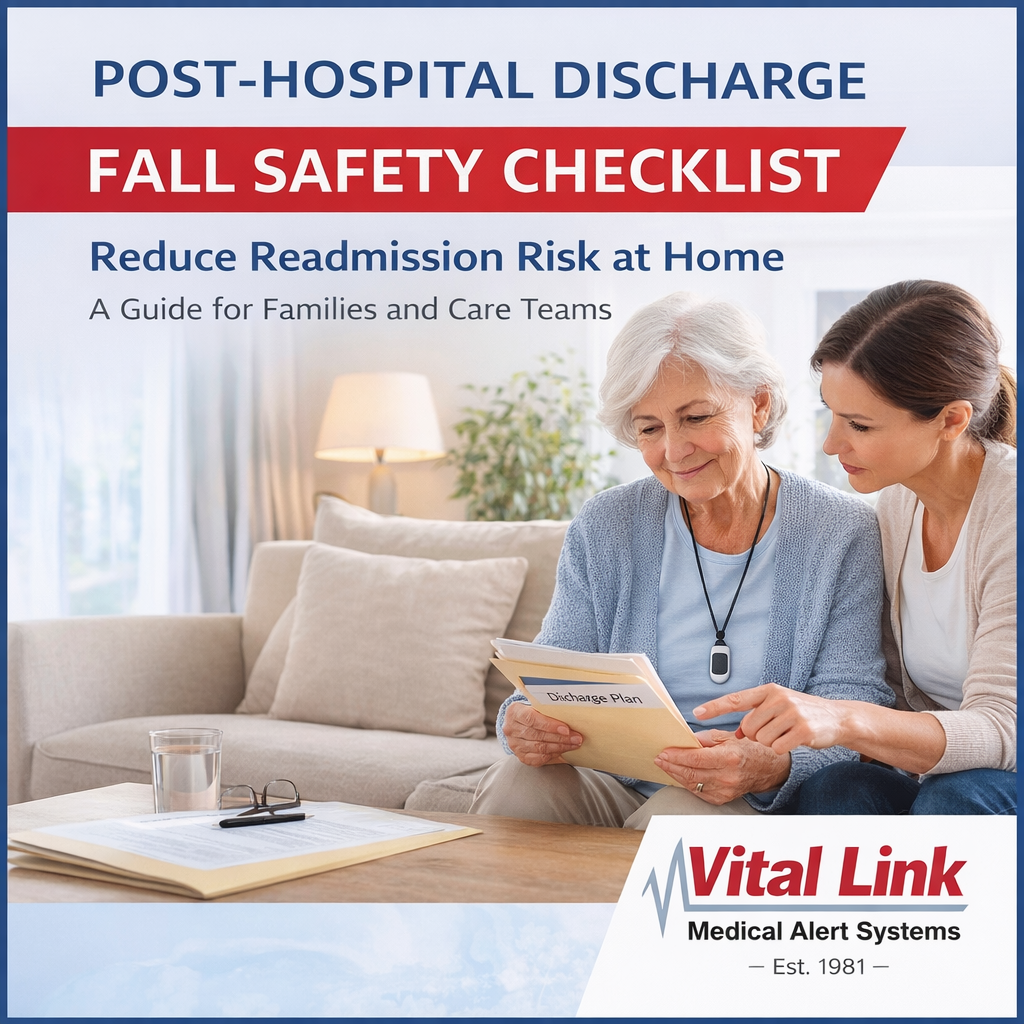
Table of Contents
- Why fall risk is higher after hospital discharge
- Hospital discharge fall prevention checklist: 10 steps
- What to confirm with the care team before leaving
- A note for discharge planners and home health referrals
- Trusted resources
- FAQ
Why Fall Risk Is Higher After Hospital Discharge
Hospital discharge fall prevention matters because the body and brain are often not back to baseline when a patient returns home. Even if the hospital stay was short, seniors may experience:
- Weakness and reduced endurance
- Balance changes from inactivity
- New assistive devices like walkers or canes
- Medication side effects such as dizziness or drowsiness
- Pain, especially with stairs and transfers
- Vision changes, dehydration, or low blood pressure
Falls are also more likely when the home environment has not been adjusted for recovery. Rugs, dim lighting, clutter, and an unfamiliar routine can quickly become hazards. Hospital discharge fall prevention is about combining a safer environment with a safer plan.
Hospital Discharge Fall Prevention Checklist: 10 Steps
Save this section and print it for caregivers, family members, or home health staff. This hospital discharge fall prevention checklist focuses on the most common fall triggers and the highest impact fixes.
1) Confirm walking status and transfer instructions
Ask the care team exactly how the senior should move at home. Should they use a walker at all times? Are they safe on stairs? Do they need one person assist for bathroom transfers? Hospital discharge fall prevention starts with clarity, not assumptions.
2) Do a same day medication review
Many post discharge falls are medication related. Ask about side effects, timing, and interactions. If a medication can cause dizziness, schedule the first doses when someone is present. Confirm what changed, what stopped, and what is new.
3) Make a clear path from bed to bathroom
Remove clutter, cords, throw rugs, and small furniture. Create a wide, well lit route. If the senior wakes at night, add a motion night light. Hospital discharge fall prevention is often about the simplest path in the home.
4) Fix lighting immediately
Replace dim bulbs and add lighting in hallways, bathrooms, and stairs. Poor lighting increases missteps, especially when seniors are fatigued. Keep a lamp within reach of the bed.
5) Prioritize bathroom safety first
The bathroom is a high risk area during recovery. Add a non slip mat, grab bars if possible, and a stable shower chair if needed. For bathing, slower is safer. Plan for assistance until confidence returns.
6) Set up a hydration and nutrition plan
Dehydration and low blood sugar can contribute to dizziness and weakness. Encourage water intake, balanced meals, and snacks that match the care plan. If appetite is low, smaller frequent meals can help.
7) Keep essential items within reach
Place medications, water, phone, and glasses where the senior can reach them without standing quickly. Avoid the common fall scenario where someone stands too fast to grab something across the room.
8) Create a follow up schedule before discharge day ends
Confirm appointments, therapy, labs, and who is coordinating each step. Missed follow ups can lead to complications, which increases fall risk. Hospital discharge fall prevention includes a plan for the next two weeks, not just day one.
9) Establish a check in routine for the first 7 days
Even confident seniors may downplay symptoms. Set check in times, especially morning and evening. If family cannot be present, arrange caregiver support or home health visits when appropriate.
10) Add a reliable emergency response plan at home
Falls can still happen even with careful planning. The key is fast help. A medical alert system provides a way to call for assistance without reaching a phone. For seniors returning home after hospitalization, this can reduce anxiety and shorten time to help if a fall occurs. All Vital Link systems can be worn in the shower and in the rain, which matters because many falls happen around bathing and daily routines.
If you are comparing options, you can review local solutions here: Compare All Products.
What to Confirm With the Care Team Before Leaving
Hospital discharge fall prevention improves when families ask clear questions. Before discharge, confirm:
- What level of assistance is needed for walking, stairs, and bathing
- Whether home health, PT, or OT is recommended
- Which symptoms require an urgent call back
- Who to contact after hours and on weekends
- Equipment needs such as a walker, shower chair, or raised toilet seat
- Medication changes and timing guidance
A helpful tool many families use is the Medicare discharge planning checklist: Your Discharge Planning Checklist (PDF).
A Note for Discharge Planners and Home Health Referrals
Hospital discharge fall prevention is most successful when discharge planning includes both clinical and practical safety planning. Families often understand medications and appointments but miss environmental hazards, bathroom safety, and emergency response preparation.
For Bay Area teams supporting safe transitions, consider standardizing three items for higher risk patients:
- A written mobility plan for transfers, stairs, and bathing
- A home hazard checklist for walkways, lighting, and bathroom safety
- An emergency response plan so the patient can get help quickly if a fall occurs
Local, well established providers can reduce uncertainty for families, especially when adult children are coordinating from a distance. When a company offers in person setup and local support, families often feel more confident that the system is installed correctly and that help is available when questions come up.
Trusted Resources
- CDC Older Adult Fall Prevention
- CDC STEADI Patient and Caregiver Resources
- MedlinePlus: Leaving the hospital and your discharge plan
- California Department of Public Health: Falls Prevention
- San Francisco: Reduce the risk of falls and injuries in your home
FAQ
How long is fall risk higher after discharge?
Fall risk is often higher for the first several weeks after discharge, especially after illness, surgery, or medication changes. Hospital discharge fall prevention is most important in the first 7 to 14 days, then should continue as strength and routine return.
Should a senior use a walker even if they dislike it?
If the care team recommended a walker, it is usually best to use it consistently during the recovery period. Many falls happen when seniors switch between devices or try to walk without support briefly.
What is the single most important home change?
For many households, the top change is removing trip hazards and improving lighting on the path from bed to bathroom. Bathroom safety additions like non slip mats and stable seating also reduce risk quickly.
How can a medical alert system help after discharge?
During post hospital recovery, a medical alert system gives seniors a reliable way to call for help if they fall or feel unwell. It can also reduce anxiety for adult children who cannot be present all day.
Need help evaluating options? Visit Vital Link Medical Alert Systems or call (510) 338 3466 to discuss the right setup for a post discharge recovery plan.